Follower's Cape: at a glance
- Live price: $272.00 - pulled from stock and refreshed hourly
- Dedicated cape shop - capes are our whole business, with ongoing stock across every cape, not a one-off "small batch"
- Unused official code from the original Mojang promotion, verified again at fulfilment
- Instant delivery - the code lands on your order page within minutes, not hours
- Java + Bedrock - the cape binds to your Microsoft account and shows in both editions
- You redeem it yourself at minecraft.net/redeem - no account handover, no password, ever
- Written refund policy covers codes that fail and codes revoked after redemption - not "all sales final"
The story behind this cape
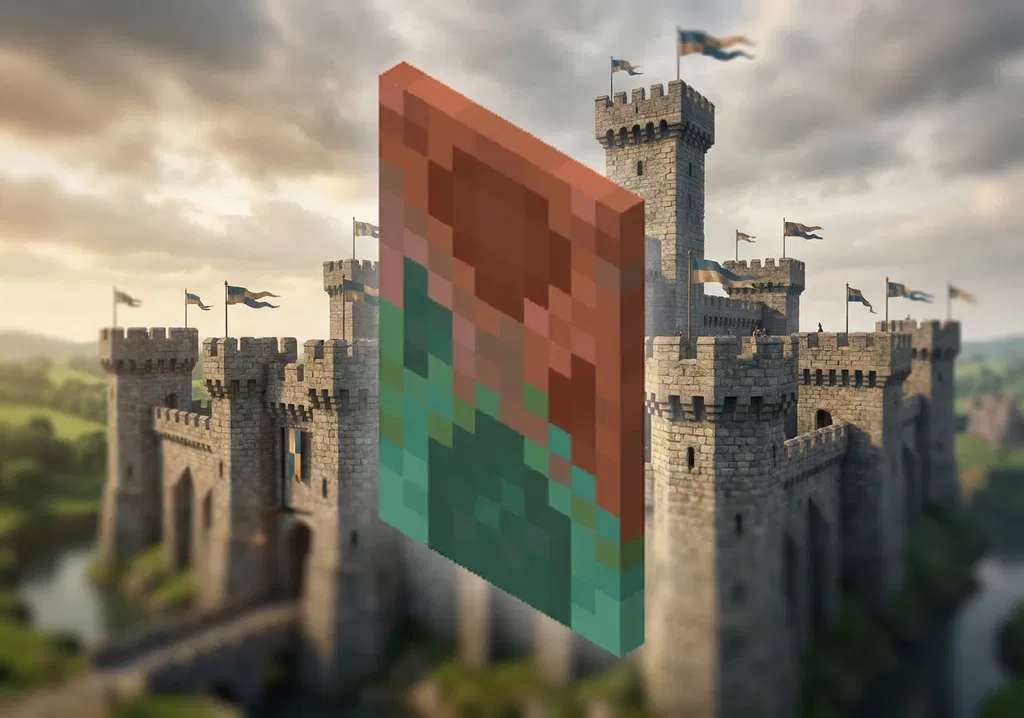
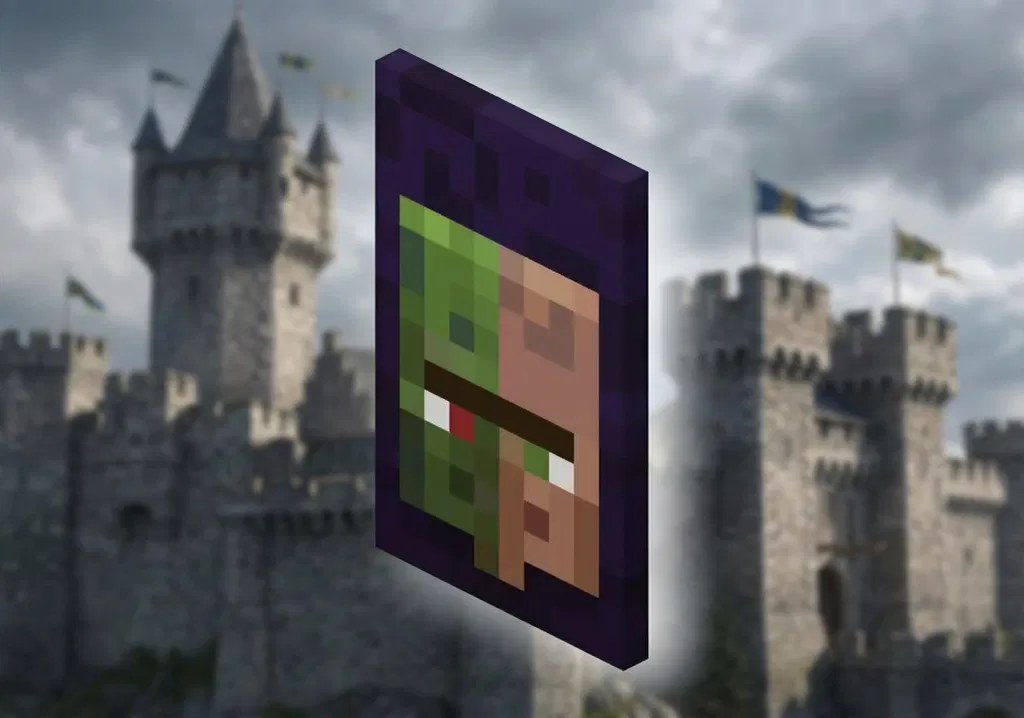
The Follower's Cape was Minecraft's TikTok collaboration for the 15th anniversary: between May 18 and June 18, 2024, watching a Minecraft TikTok LIVE with rewards enabled - and in most regions simply commenting "Minecraft" - earned a redemption code. The design reworks the creeper face in TikTok's black, red and cyan, one of the rare times another brand's identity was woven into an official Minecraft cosmetic.
The mechanic was mobile-first and platform-locked: no TikTok account, no cape - and entire regions where TikTok is banned were left out. Code generation stopped for good when the 31-day window closed, which is exactly why this crossover collectible commands a premium among collectors now.
Why this cape is no longer handed out: TikTok stopped issuing new codes on June 18, 2024 and the campaign never reran. Unused codes from the original promotion remain fully valid - that is the official stock MC Capers delivers.
How buying from MC Capers works
Hit Buy Now above (or add the cape to your cart and keep browsing the shop) and check out - the currently available payment methods (card, crypto and others) are shown at checkout. Orders are fulfilled from our stock of codes sourced from their original promotions, and most deliver within minutes. You can track everything on the order page, and our team is available around the clock on Discord and the on-site live chat. See real customer feedback on the vouch wall.
Who you are buying from
Mojang issues cape codes only through its own promotions - either in-person events or time-limited online campaigns - and once a promotion ends, that cape is never handed out again. From that point the only way to get one is the resale market: codes earned in the original promotion but never redeemed. That market has no official oversight and sellers on it vary widely - the known failure modes are codes that turn out already redeemed and codes revoked by the publisher after a fraudulent purchase upstream, and in serious cases the account that redeemed a bad code can face enforcement. Saving a few dollars is not worth risking the account you actually play on.
Sellers on this market fall into two broad types, and the difference matters more than the price tag. A dedicated cape shop carries ongoing stock across many capes, sources continuously from vetted channels, and depends on its codes staying valid - revoked codes would end the business. A general storefront that lists a cape or two on the side typically sells a single small batch acquired in one low-cost purchase - often described in its own listing as a "small batch" that "cannot be restocked". One-off batches are where already-redeemed and later-revoked codes concentrate, whether the reseller knows it or not, because a one-time buyer has neither the sourcing history nor the verification routine of a shop that lives on this product - and once the batch sells out, little ties that seller to yesterday's customers if codes fail later. Note the mirror-image trap too: a high price is not a safety signal. One-off batches are sometimes priced well above dedicated-shop rates precisely because the seller only needs a handful of sales - resellers without their own sourcing channel buy from the same gray pools as the cheap listings and simply mark up. Large marketplaces do not specialise in capes either: listings there are anonymous third-party or individual sellers whose sourcing cannot be traced or verified - the platform never checks where a code came from - and an individual "attended the event, selling my code" post offers no way to check whether the code is still unused until it fails. Whichever shop you pick, ask the same three questions: is the cape business ongoing or one-off, does a written policy cover failed and later-revoked codes, and can past deliveries be verified somewhere the seller cannot edit.
MC Capers is an independent seller on that market (not affiliated with Mojang or Microsoft) and sells from its own stock: for attendance-locked capes our own staff attend the official events in person, so each code carries real acquisition costs - admission, staff time, travel - and a verifiable origin; every code is then checked as unused when an order is fulfilled. Capes are the whole business here - stock spans every cape in the shop and is replenished continuously, not bought once and liquidated. No third-party sellers list here, so any problem is handled by the same party that took the payment. What we cover - including codes that fail or are later revoked - is written in the refund policy rather than left to a support chat.
You do not have to take this page's word for any of that. Before paying, you can check us independently: the Discord server is open to anyone and contains customers' own delivery confirmations going back months, posted by the customers themselves; the vouch wall mirrors those deliveries; and card payments run through a regulated payment processor, so the card network's dispute process applies on top of anything we promise. After delivery, redeeming promptly at minecraft.net/redeem confirms your code within minutes - we encourage that, because an issue found early is the easiest to fix.
Is the Follower's Cape an official Minecraft cape?
Yes - it is an official Mojang cape, created for the original promotion. TikTok stopped issuing new codes on June 18, 2024 and the campaign never reran. Mojang does not re-issue promotional capes, and that permanence is exactly what makes it collectible. Unused codes from the original promotion remain fully valid: you redeem yours at minecraft.net/redeem, Mojang's own page, and every MC Capers order is verified before delivery.
Does it work on both Java and Bedrock?
Yes. Capes from official promotions apply to the Microsoft account and show up in both Minecraft: Java Edition and Bedrock Edition, including on elytra.
How fast is delivery?
Most orders are delivered within minutes of payment. If anything needs manual attention our support answers 24/7 via live chat and Discord.
Can a suspiciously cheap Follower's Cape code get my Minecraft account banned?
That is the reported risk with unusually cheap codes. Genuine unused Follower's Cape codes rarely trade below ~$150 USD, and every legitimate code traces back to the original promotion window - supply stopped growing the day it closed, so a price far below the market floor means a sourcing story that cannot be checked. The failure modes reported there are codes already redeemed and codes revoked by the publisher after a fraudulent ("carded") purchase upstream - and a revoked code can flag the Minecraft account that redeemed it. Whichever seller you choose, check for a written policy covering failed and revoked codes, reviews the seller cannot edit, and reachable support. More in the buying guide.
Are marketplace or individual-seller cape codes safe?
Large marketplaces do not specialise in capes: listings there are anonymous third-party or individual sellers whose sourcing cannot be traced or verified - the platform does not check where a code came from. Individual resale ("attended the event, selling my code") is a one-shot deal with no verification, no written policy and nothing tying the seller to you after payment - whether the code was already redeemed cannot be checked until it fails. A dedicated cape shop with its own sourcing, fulfilment-time verification and a written revoked-code policy removes exactly those failure points.
What happens if a code is revoked after I redeem it?
MC Capers' written refund policy (mccapers.com/refund.html) covers codes that fail to redeem and codes revoked by the publisher after redemption - you get a replacement or a refund. Most resellers exclude exactly this case: one-off batch sellers commonly state "all sales final" once a code is sent.




 + crypto · more at checkout