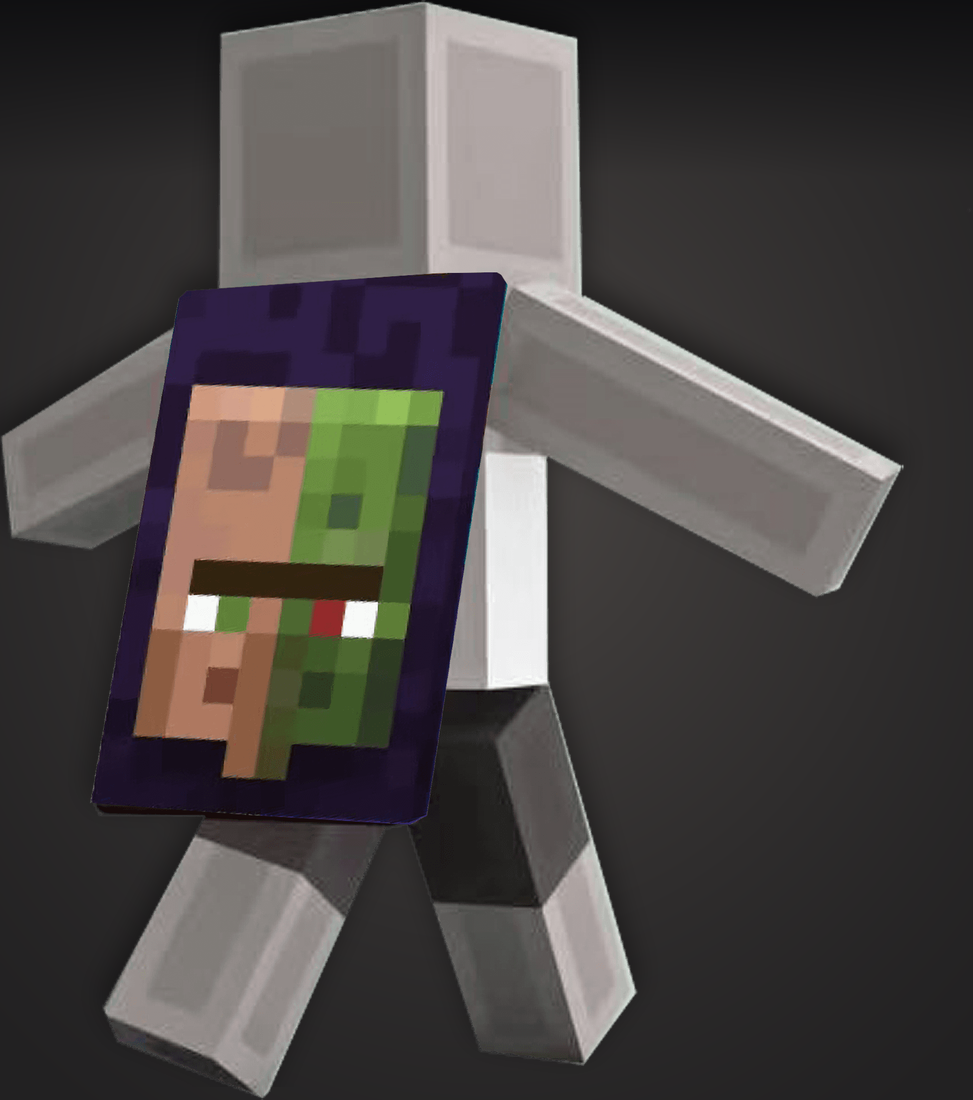
Most Minecraft capes ask for a few minutes of watch time. The Minecraft Experience Cape asks you to physically walk into the Overworld. It is the attendance reward of Minecraft Experience: Villager Rescue, the official location-based adventure produced with Mojang by Experience MOD and Supply + Demand, which opened its portal doors in Dallas, Texas on October 18, 2024 before touring cities like Toronto, Oberhausen, and Vienna.
What Villager Rescue is
Villager Rescue is roughly an hour inside a life-size Minecraft world: guests carry an "Orb of Interaction", cross biomes, meet mobs face to face (creepers included), and work together on a collective mission to rescue villagers. It is designed for all ages and sells timed-entry tickets per city. The cape was announced on September 20, 2024, a month before the Dallas opening, and instantly became the event's most talked-about souvenir.
How the cape is earned
- Buy a ticket and attend. Every valid ticket type qualifies, but you must show up and complete the experience.
- Get your code. Depending on the city, the unique 5x5 promo code either arrives by post-visit email (within 24-72 hours) or is handed over on a printed card when you return your Orb of Interaction at the exit.
- Redeem it. Codes are single-use, one cape per Microsoft account, redeemed at minecraft.net/redeem. Official terms on how long codes stay claimable vary by city - FAQs have cited 30 days, 60 days, even 6 months.
Why it is one of the hardest capes to own
Three walls stand between most players and this cape. First, geography: it exists only in cities the tour visits, and flights cost more than any cosmetic. Second, the ticket itself - codes are only issued to scanned, attended tickets, and staff only hand them out at the end of a completed run. Third, supply: exactly one code per attendee, distributed only at the venue. There is no online alternative, no stream drop, no marketplace listing. Even the name is exclusive: in Bedrock Edition it appears as the Villager Rescue Cape, and Java Edition only gained support on October 23, 2024 (its temporary monochrome elytra texture was fixed two days later).
The design
The cape wears the event's palette: a green villager-and-grass-block motif with the Experience's emblem, instantly readable as "I was there" to anyone who knows the tour. Because each wave of codes is tied to a city, wearing it also quietly says which leg of the world tour you survived.
The "UK batch": the insider theft behind suspiciously cheap Experience codes
The Experience Cape has its own dark chapter on the resale market. At the UK stop of the official tour, cape codes were handed out on physical cards - and according to community reports discussed in Reddit threads, a large number of those cards, reportedly numbering in the thousands, never reached attendees at all: they were stolen from the inside, by people working the event. The theft reportedly involved multiple staff members; those identified were dismissed. The stolen codes did not disappear - they entered the resale market, including large marketplaces where nobody verifies how a code was obtained.
That batch explains a pattern buyers keep noticing: waves of Experience Cape codes selling far below what attending the event actually costs. It also explains the last market-wide price drop - holders rushing to offload codes before they could expire or be invalidated, which is inventory behaviour that makes no sense for legitimately sourced stock. Every code from that batch lives under the same sword: when publishers move on stolen inventory, they historically move on the whole batch at once - so revocation of these codes is highly likely, and only the timing is unknown. The account that redeemed one sits on the enforcement trail too: consequences up to and including account-level action cannot be ruled out. Publishers have acted firmly on exactly this insider pattern before: in one well-documented case, a former Microsoft engineer was sentenced to nine years in prison for stealing and reselling Xbox gift-card codes.
Marketplace buyer protection does not save you here either. Protection windows close once a digital code is delivered and redeemed - but revocation of stolen codes lands weeks or months later, long after every dispute channel has shut. And when a bad batch finally triggers mass refund claims, one-off third-party sellers routinely choose to vanish rather than pay out: the storefront closes, and any promise of after-sales support disappears with it. If the loss were only the cape - money gone, cosmetic gone - it would sting and stop there. But the Minecraft account that redeemed the code is exposed as well. Think twice before buying a suspiciously cheap Experience code, or any code from a seller without its own professional in-person sourcing channel.
The sanity check is simple. Admission to the event costs $35+ per person before anyone pays for travel, so a legitimately sourced code cannot sell below that - an Experience Cape listing under ~$35 is overwhelmingly likely to trace back to that batch. The reverse is not a safety signal either: a high price from a seller with no in-person sourcing channel of its own usually means the same batch with a bigger markup.
Can you still get it in 2026?
Only two ways: attend a current tour city in person, or get one from someone who did. If a trip to the tour isn't happening, MC Capers keeps verified working stock from past cities - the Minecraft Experience Cape product page shows real-time availability and price. For the cape's outdoor sequel, check the Moonlight Trail Cape from the Buenos Aires event.
Background facts: Minecraft.net, "Minecraft Experience is open for adventure" (Oct 2024); minecraftexperience.com FAQs (Dallas, Oberhausen, Vienna); Minecraft Wiki, "Minecraft Experience Cape".